Coding with AI as partner : Get more efficient using GPT
Learn how to collaborate effectively with GPT to enhance your development process, boost productivity, and tackle complex coding challenges with ease.
I'm a Software Engineer with a strong technical background in building impactful SaaS solutions, web applications, and mobile platforms. My expertise spans programming languages like Java, JavaScript, and PHP, alongside frameworks such as Spring Boot, Vue.js, and Node.js. I thrive on creating reliable, scalable, and user-centered applications that solve real-world challenges. Throughout my career, I’ve paired my technical journey with a passion for mentoring and training. As a mentor and trainer, I’ve guided aspiring developers, particularly at institutions like École 229, through immersive learning experiences. My approach combines practical projects, collaborative problem-solving, and innovative teaching methods to foster both technical expertise and essential team dynamics. Beyond coding, I bring a strong set of soft skills—including communication, adaptability, and problem-solving—that enable me to drive successful project outcomes and support the growth of those around me. Some of my most notable achievements include developing a secure e-commerce application following Agile best practices and delivering numerous WordPress sites that enhanced brand presence and user experience for small businesses. Looking ahead, I am eager to transition into a Product Owner role, where I can bridge the gap between technical development and strategic vision. My goal is to leverage my technical expertise, mentoring experience, and user-focused approach to shape products that deliver real value and resonate with their audiences. Feel free to reach out if you'd like to discuss technology, product management, or collaborative projects :)
Introduction
Software development is evolving rapidly, and AI coding tools like GPT are becoming indispensable. This isn’t just a new gadget for developers; it’s like having an extra pair of hands—ones that can quickly draft code, suggest solutions, and even help troubleshoot issues. Embracing this technology means unlocking productivity and efficiency that weren’t possible before.
Getting in the Right Mindset
Think of GPT as a Partner
Imagine starting a new project. You have an assistant who knows all programming languages, can churn out code at lightning speed, and never gets tired. However, this assistant relies on you to set goals, provide context, and make key decisions. That’s GPT in a nutshell. It’s a powerful tool, but your expertise drives the outcomes.
Focus on High-Level Decisions
Let GPT handle implementation details so you can focus on:
Choosing between WebSocket and REST APIs for real-time communication.
Structuring backend services for scalability.
Defining reusable components in Vue.js for the frontend.
Ensuring the solution aligns with business requirements and user needs.
GPT can execute tasks, but it’s your guidance that ensures everything works seamlessly.
Starting Strong with GPT
Context is Key
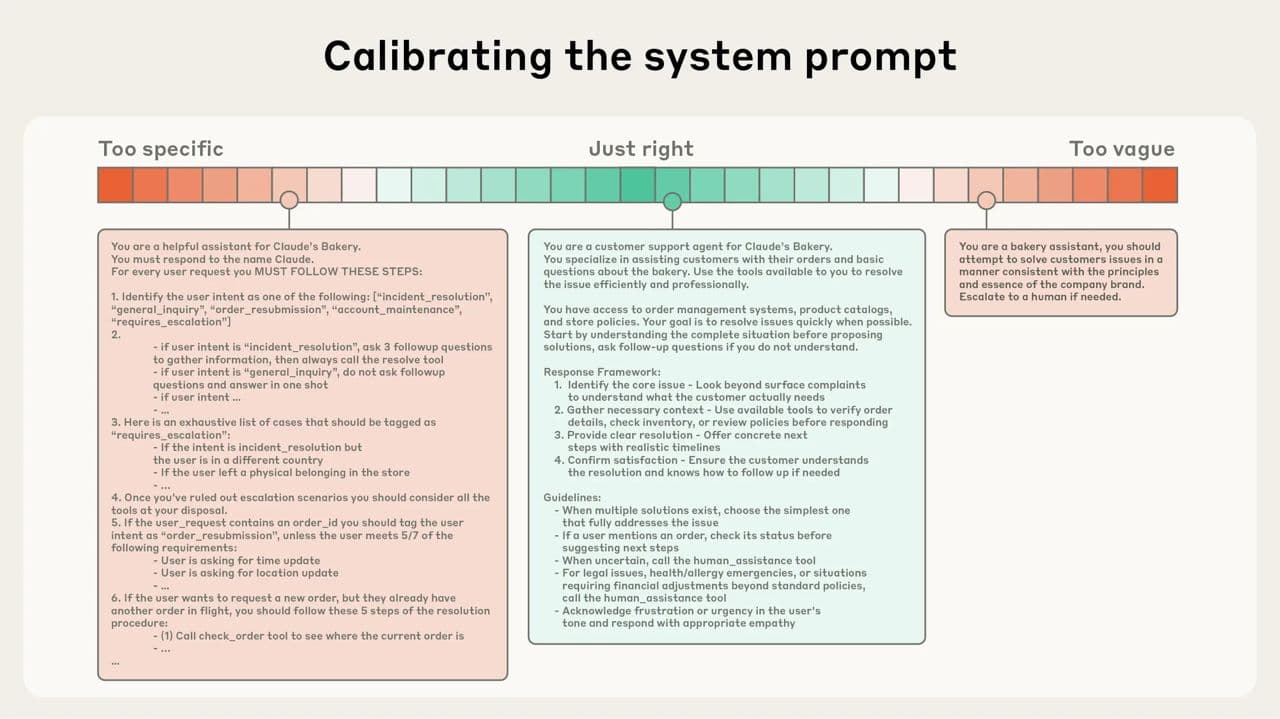
Start by clearly explaining your project’s goals and requirements. For instance:
"We’re building an e-commerce platform. Here are the details:
Frontend uses Vue.js.
Backend is a Node.js API with PostgreSQL.
The cart functionality needs to support persistent sessions and guest users.
Let’s begin with the user authentication system. I’ll show you the existing setup."
Define Your Environment
Provide GPT with the necessary context for your project:
"Here’s our setup:
Tests are run with
npm test.Code quality is enforced with ESLint and Prettier.
API endpoints follow the pattern:
/api/[resource]/[action].Docker is used for local database management."
Tackling Projects with GPT
Divide tasks into manageable steps for better collaboration:
Define a Clear Scope
Avoid vague requests like:
"Build a cart feature."
Instead, provide specifics:
"We need a shopping cart feature with these requirements:
Items are stored in the database.
Support guest and authenticated users.
Include a REST API for adding/removing items.
Let’s start by designing the database schema and basic API endpoints."
Guide GPT Through the Codebase
Help GPT understand your existing codebase and patterns:
"Check these files first:
models/Cart.jsfor the existing schema.
routes/cart.jsfor API structure.
utils/session.jsfor session handling logic.Follow the conventions used in
Cart.jsfor validation."
Plan the Implementation
Work with GPT to outline a detailed implementation plan. Here’s an example:
# Shopping Cart Feature

## Phase 1: Backend Setup
- [ ] Define cart schema in PostgreSQL.
- [ ] Create API endpoints for CRUD operations.
- [ ] Implement validation for cart operations.
- [ ] Write unit tests for the API.

## Phase 2: Frontend Integration
- [ ] Build the cart UI in Vue.js.
- [ ] Connect the UI to the backend API.
- [ ] Add features like item quantity updates.
- [ ] Implement error handling and user feedback.

## Phase 3: Session Management
- [ ] Support persistent carts for authenticated users.
- [ ] Implement guest cart functionality.
- [ ] Add session cleanup jobs.
- [ ] Write integration tests for session handling.
Workflow Tips
Maximize productivity by adopting a structured approach:
Take Small Steps
Focus on one task at a time:
"Let’s define the cart schema in PostgreSQL first. Can you draft it based on our existing database patterns?"
Validate as You Go
Test every piece of work before moving forward:
"Run the unit tests for this API endpoint. If there’s an issue, we’ll debug it together."
Debug Collaboratively
Work with GPT to resolve issues effectively:
"The API isn’t returning the expected data. Let’s add logs to the database query and inspect the response."
Beyond Coding: Automation with GPT
GPT can also streamline tasks beyond writing code:
Simplify Git Operations
Use GPT to handle version control tasks:
"Can you:
Stage all the changes?
Write a commit message?
Push to the
feature/shopping-cartbranch?"
Automate Environment Setup
Offload setup tasks to GPT:
"Set up a new project with:
Node.js and TypeScript.
Docker for PostgreSQL.
ESLint and Prettier configurations."
Documentation Assistance
Leverage GPT for creating documentation:
"Draft a README file with:
Instructions for local setup.
API documentation.
Deployment steps."
Conclusion
Using GPT as a coding partner doesn’t replace your skills—it amplifies them. By offloading repetitive tasks and leveraging GPT’s speed, you can focus on solving complex problems, refining your designs, and delivering exceptional software. Whether you’re prototyping, debugging, or automating workflows, GPT can help you work smarter and faster.
Why not let GPT handle the grunt work while you focus on innovation and creativity?